




Wall-mounted wine racks have become increasingly popular among wine lovers and home decorators alike. Offering a stylish and space-saving way to display your wine collection, these racks can turn an empty wall into an elegant focal point. However, questions often arise about whether storing wine in a wall-mounted rack could potentially damage the wine. This comprehensive guide explores when wall-mounted wine racks work well for wine storage, when they might pose risks, and how to optimize your display for both beauty and preservation.
How Wine Storage Affects Wine Quality
Before we explore the specifics of wall-mounted racks, it’s important to understand the key factors that influence wine preservation. Wine is a delicate beverage that can be affected by environmental conditions, which, if not ideal, may degrade its taste, aroma, and overall quality.
Key Factors Affecting Wine Storage:
-
Temperature: The ideal wine storage temperature ranges between 45°F to 65°F (7°C to 18°C), with around 55°F (13°C) considered optimal. Fluctuating temperatures can cause the wine to expand and contract, which pushes the cork in or out, allowing air in and damaging the wine.
-
Light Exposure: Ultraviolet (UV) rays from sunlight can prematurely age wine and alter its flavor. Protecting wine from direct sunlight or harsh artificial light is essential.
-
Vibration: Constant or severe vibrations can disturb the sediment in wine bottles, disrupting the aging process and potentially causing off-flavors.
-
Humidity: Proper humidity levels (around 60%-70%) prevent corks from drying out. Dry corks let air into the bottle, spoiling the wine.
-
Bottle Position: Wine bottles with natural corks should be stored on their sides to keep the cork moist and prevent air infiltration.
When these conditions are not maintained, wine can spoil, sometimes subtly, other times noticeably. Therefore, the choice of storage, including wall-mounted wine racks, should take these factors into consideration.

Wall-Mounted Wine Racks: Benefits
Wall-mounted wine racks have surged in popularity for several reasons. They offer practical advantages while adding a sophisticated touch to a home.
Space-Saving and Style
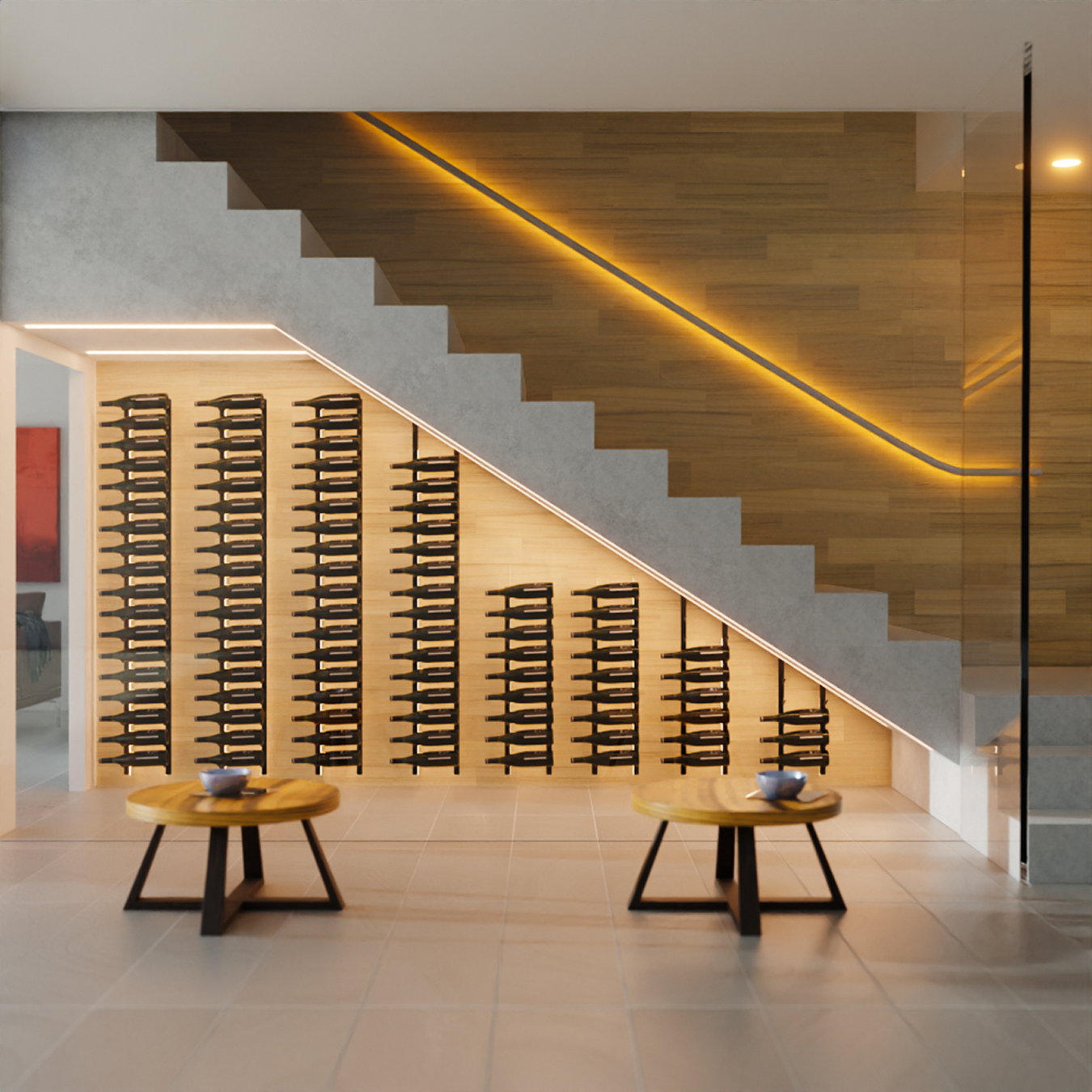
By using vertical wall space, these racks free up precious floor or countertop areas ideal for smaller living spaces or where you want a clean, minimalist look. Many modern designs, such as cable wine racks, offer sleek, contemporary aesthetics that blend seamlessly into various interior décors.
Convenient Access and Display
Wall-mounted racks allow wine bottles to be displayed prominently, turning your collection into a conversation piece. They make it easy to access frequently used bottles while keeping less frequently enjoyed wines organized and visible.
Customization
These racks come in versatile sizes and styles, from floating racks to artistic metal or wooden designs. Cable wine racks, for instance, combine elegance with functional preservation features, making them a top choice for stylish and practical wine enthusiasts.

Potential Risks of Wall-Mounted Storage
Despite these benefits, wall-mounted wine racks can present certain risks if not used thoughtfully.
Vibration and Movement
Walls adjacent to busy areas or heavy foot traffic may experience vibration. This can subtly disturb the wine’s sediment and aging process. While cable wine racks and other modern designs often incorporate materials that dampen vibration, lightweight or loosely mounted racks may transmit more vibrations.
Exposure to Heat and Light
Depending on placement, wall-mounted racks can be near heat sources such as radiators, heating vents, or direct sunlight through windows. This exposure can accelerate wine degradation. UV radiation, in particular, damages wine’s delicate compounds.
Improper Bottle Positioning
Unlike traditional horizontal wine racks, some wall-mounted designs store bottles upright or at odd angles. Upright bottle storage can dry out corks, allowing air to seep in, which ultimately spoils the wine. Ensuring bottles lie on their side or slightly tilted is crucial.
When Wall-Mounted Wine Racks Work Well
Wall-mounted wine racks are an excellent storage option in certain scenarios, especially when combined with good environmental control and thoughtful installation.
Climate-Controlled Environments
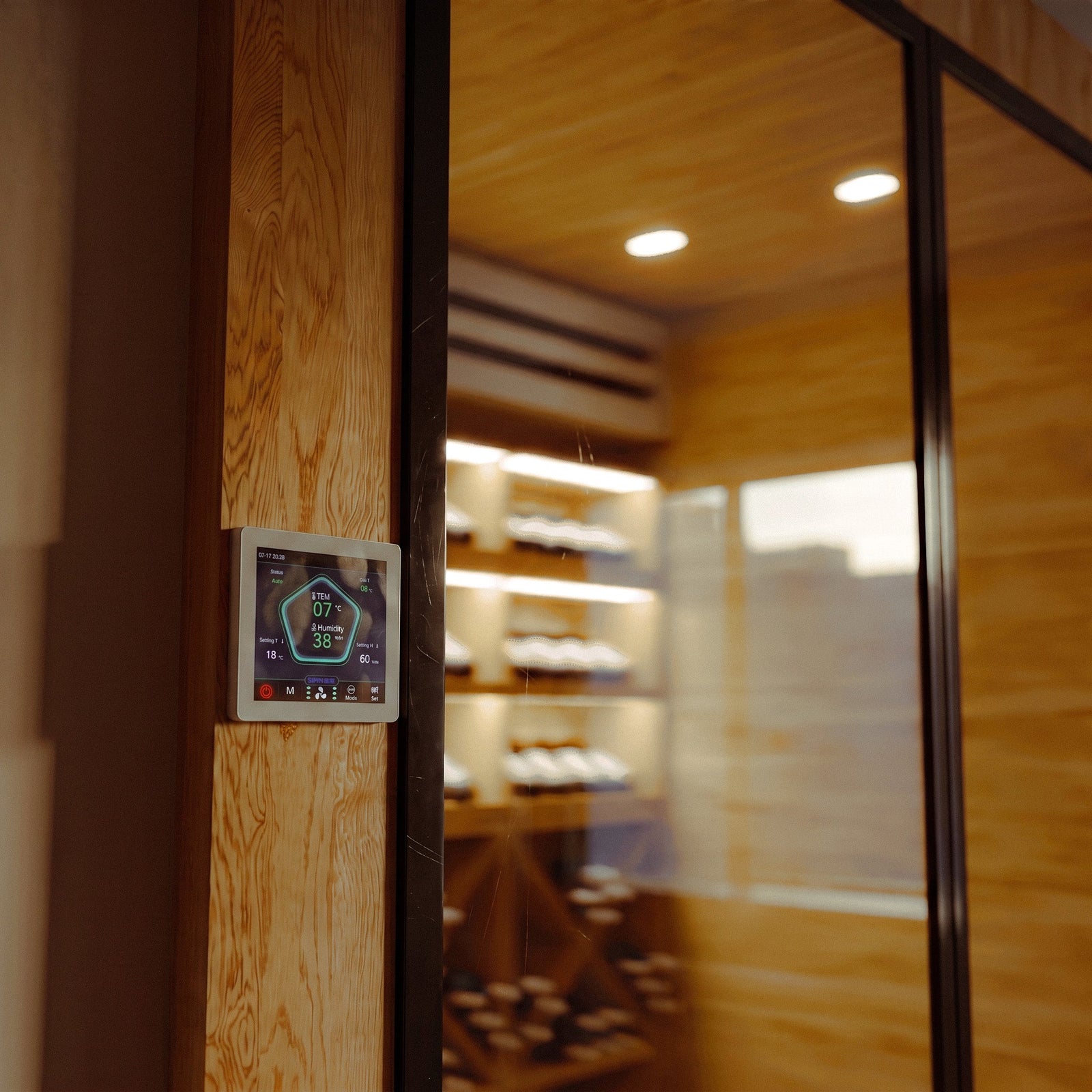
If the room’s temperature, humidity, and light exposure are stable and within wine-friendly ranges, a wall-mounted rack can safely hold wine. Many wine collectors use dedicated wine rooms or wine closets equipped with climate controls and then add wall-mounted racks for style and convenience.
Short-Term or Ready-to-Drink Storage
When wines are intended for immediate or near-future consumption, wall-mounted display racks work beautifully. They allow easy selection and create an inviting atmosphere for guests.
Proper Bottle Orientation
Choosing a wall-mounted rack designed to store wine bottles on their side is essential. Cable wine racks, for example, hold bottles in a way that keeps corks moist while presenting the bottles elegantly.
Stable and Secure Mounting
Strong, quality installation with vibration-dampening mounts or materials helps protect wine from physical disturbances. Opting for racks made with durable, sturdy materials ensures safety.
When Not to Use Wall-Mounted Racks for Wine Storage
In some cases, wall-mounted wine racks might not be the best choice, especially for long-term or valuable wine collections.
Long-Term Aging
Premium wines intended for long aging require consistent conditions in cellar-like environments. Temperature and humidity fluctuations, minor vibrations, and light exposure common in typical living areas can jeopardize the wine’s development.
Uncontrolled Environments
If the room experiences heat spikes, direct sunlight, or low humidity, wall-mounted wine storage can accelerate spoilage. Avoid placing racks near windows, heating vents, or appliances that affect the climate.
Inappropriate Rack Design
Racks that do not secure bottles properly or hold them upright for long periods can dry out corks, risking oxidation and spoilage.
Tips for Safe and Stylish Wall-Mounted Wine Displays
To balance aesthetics with preservation, here are some recommendations when using wall-mounted wine racks:
-
Choose the Right Rack: Opt for designs that hold wine horizontally and feature sturdy, vibration-absorbing materials such as cable wine racks. These combine elegance with function, supporting optimal wine preservation.
-
Control the Environment: Keep the storage area cool, dark, and moderately humid. Use blackout curtains or UV window films if necessary to protect against light.
-
Placement Matters: Avoid spots near heat sources, direct sunlight, and areas prone to temperature fluctuations. Interior walls often work best.
-
Install Securely: Ensure the rack mounts firmly with vibration-dampening supports to minimize movement.
-
Rotate Bottles Regularly: If you’re storing wine for longer periods, occasionally rotate bottles to keep corks moist and redistribute sediment gently.
By combining these practices, you can enjoy a wall-mounted wine rack that enhances your home’s décor while protecting your treasured wine collection.
Conclusion
Wall-mounted wine racks offer an elegant, space-saving way to showcase your wine collection, but they must be chosen and placed carefully to avoid damaging your wine. Understanding the environmental needs of wine and selecting racks likecable wine racks designed for optimal preservation ensures your wines remain in excellent condition.
When used in climate-controlled settings and installed correctly, wall-mounted wine racks can function beautifully for both storage and display, particularly for wines ready to be enjoyed. For collectors aging wines long-term, traditional cellar storage remains best.
If you’re interested in exploring stylish, high-quality wall-mounted and cable wine racks that combine practical preservation benefits with modern design, visit ourWall Mount Collection or contact us for personalized advice through ourcontact page. Elevate your wine storage experience with the perfect blend of elegance and care.



Leave a comment (all fields required)